Every Sunday

Every Sunday

Gardening with Geoff Lawton

A full-day, hands-on permaculture workshop held every Sunday at the Youth Activities Centre (YAC) in Byron Bay. Each Sunday you’ll spend a full day in the garden with Geoff learning practical permaculture skills for growing food and designing resilient systems that work in any climate.

with Geoff Lawton

A full-day, hands-on permaculture workshop held every Sunday at the Youth Activities Centre (YAC) in Byron Bay.

Each Sunday you’ll spend the day in the garden with Geoff, learning practical skills for growing food and designing productive systems that work in real landscapes.

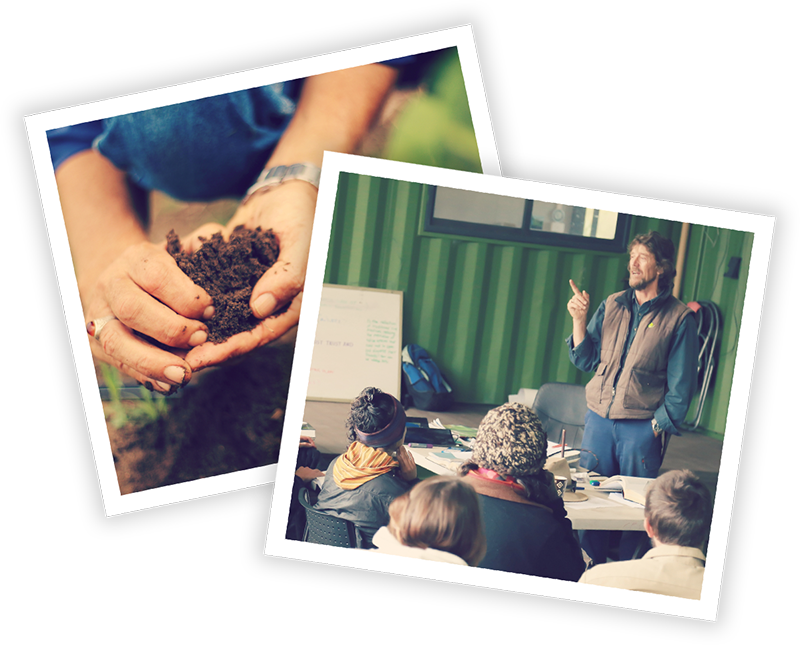
We work with what’s actually happening on site. You observe, you participate, and you build alongside Geoff as the garden is developed in real time. No theory for the sake of it—just practical work, clear decisions, and direct learning from the land.

Every Sunday has a different focus depending on the season and what the site needs, but the intention is always the same: to help you understand how to grow food and design systems that function in any climate.

Over the series, you’ll work through the core building blocks of permaculture—from soil and compost systems through to water, food production, and integrated garden design. Each workshop stands alone, but together they build a deeper understanding of how natural systems connect.

What you’ll experience

A full-day immersive workshop in a functioning permaculture site. You’ll work alongside Geoff as he demonstrates how to read the land, make practical design decisions, and build systems step by step as they’re needed.

Schedule

9:00am – 4:00pm

Includes two short tea breaks and a 30-minute lunch break (food not included)

Week 1 — Design Your Own Garden

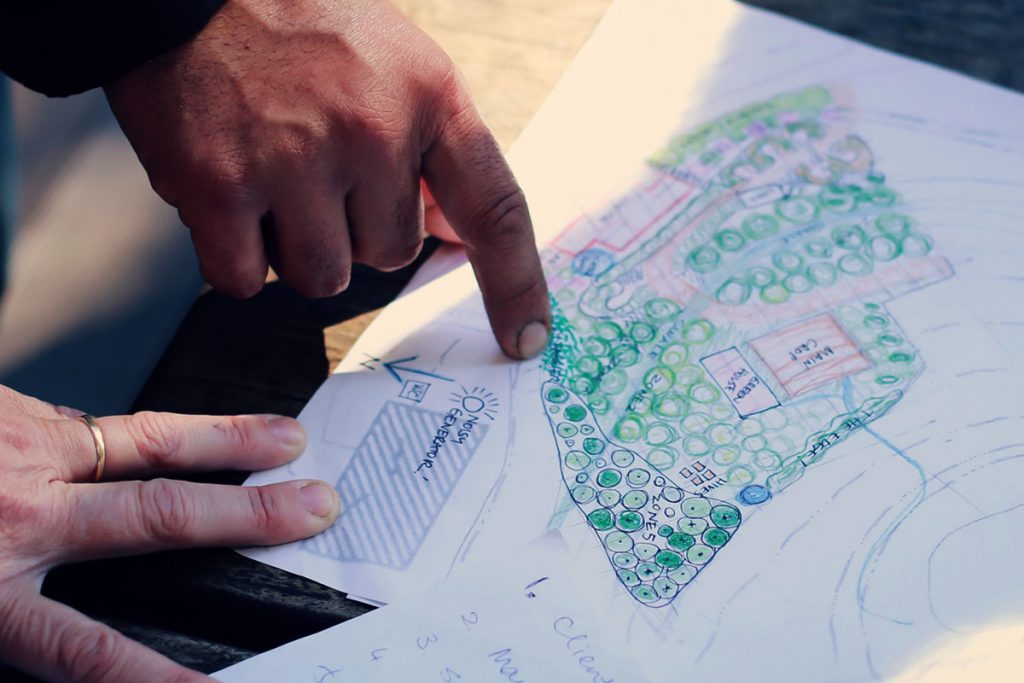
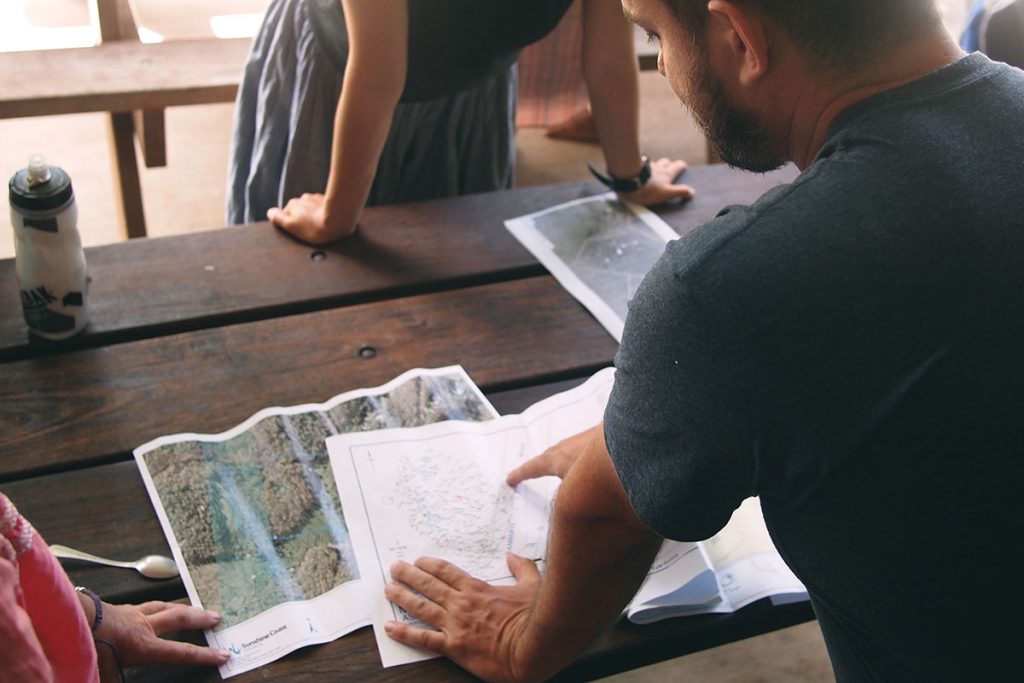
Bring your own property plans, sketches, measurements, or ideas and spend the day working through practical garden design with Geoff and the group.

This workshop focuses on the fundamentals of laying out a productive garden system—looking at access, water flow, sunlight, placement, and how different elements connect together in a practical way.

By the end of the day, you’ll have clearer direction and practical next steps for your own site.

Topics include:

  • Basic permaculture design principles
  • Garden layout and access
  • Water flow and placement
  • Productive use of small or large spaces
  • Identifying opportunities and problem areas

Week 2 — How to Make Compost

Learn how to build healthy compost from scratch using simple, accessible materials.

Geoff will demonstrate his “Instant Compost” method live on site—including sourcing ingredients from everyday places like Bunnings and local suppliers. Together, the group will build a complete compost system from the ground up.

Topics include:

  • Understanding compost ingredients
  • Carbon and nitrogen balance
  • Sourcing local materials
  • Building a compost pile correctly
  • Moisture and airflow basics
  • Simple compost management techniques

Week 3 — Building a Kitchen Garden

Learn how to set up a productive kitchen garden for everyday herbs, greens, and vegetables.

This practical workshop focuses on creating simple, manageable growing spaces that produce food close to home.

Topics include:

  • Garden bed layout and orientation
  • Soil preparation
  • Simple planting methods
  • Crop selection for home gardens
  • Basic irrigation ideas
  • Easy-to-maintain garden systems

Week 4 — Introduction to Food Forests

Learn the basics of food forest design and how layered planting systems work together to create productive, resilient gardens.

This workshop introduces the core ideas behind food forests through observation, discussion, and practical planting demonstrations on site.

Topics include:

  • What a food forest is
  • Understanding plant layers
  • Choosing support species
  • Basic layout and spacing
  • Soil preparation and planting
  • Early-stage food forest establishment

Week 5 — Building a Garden Pond

Learn how a simple garden pond can improve biodiversity, create habitat, and transform the feel and function of a landscape.

This workshop focuses on the practical basics of planning and building a small, productive garden pond, and how water influences everything around it—including temperature, humidity, and plant growth.

Topics include:

  • Pond placement and sizing
  • Basic excavation concepts
  • Water movement and overflow
  • Aquatic plants and edge planting
  • Creating habitat and supporting wildlife
  • Microclimates and how water changes the garden environment
  • Integrating ponds into productive garden systems

Week 6 — Trellis Gardens & Climbing Crops

Learn how to grow more food vertically using practical trellis systems and climbing plants.

This workshop focuses on simple structures and planting systems that improve productivity while making better use of garden space.

Topics include:

  • Trellis layout and positioning
  • Simple structure options
  • Choosing climbing crops
  • Seasonal planting ideas
  • Airflow and sunlight considerations
  • Integrating trellises into kitchen gardens

Week 7 — Building a Banana Circle

Learn how banana circles recycle nutrients and water while producing abundant growth in tropical and subtropical gardens.

This hands-on workshop walks through the process of building and planting a functioning banana circle system.

Topics include:

  • Banana circle layout and construction
  • Organic matter recycling
  • Water capture and retention
  • Plant selection and spacing
  • Soil building techniques
  • Ongoing maintenance basics

Week 8 — Building an Herb Spiral

Learn how herb spirals create diverse growing conditions in a compact and productive space.

This practical workshop focuses on planning, building, and planting a simple herb spiral suitable for home gardens.

Topics include:

  • Herb spiral design basics
  • Creating microclimates
  • Soil and drainage considerations
  • Herb selection and placement
  • Planting techniques
  • Maintaining productive herb systems

Location

Youth Activities Centre (YAC), Byron Bay. A short walk from Byron Bay Main Street, with cafés and amenities nearby.

Investment

$250 per person
Accommodation and food:

You will be provided with lodging at the farm that will have access to hot showers etc.

You will not be provided with any meals but will be expected to cater for yourself during the timeframe of the course.

Travel:

You are expected to make your own way to Zaytuna Farm, though planning assistance can be given if you require.

Nearest airport – Brisbane (2.5 hours drive) vs Sydney (8.5 hours drive); nearest local airports are Ballina (closest at 50min drive) or Coolongatta (1 hr 20min drive)

Course Outline
THE DESIGN SCIENCE

Theory & Principles of Permaculture

Concepts & Themes of Design

Systems Thinking & Methods of Design

WATER & EARTH

Water Harvesting & Management

Earth Working & Earth Resources

Aquatic Design & Aquaculture

Drought-Proofing

NATURAL BUILDING DESIGN

Ecological House Design & Placement

Energy Conservation Techniques

Recycling & Waste Management

Appropriate Technology

NATURE & CLIMATES

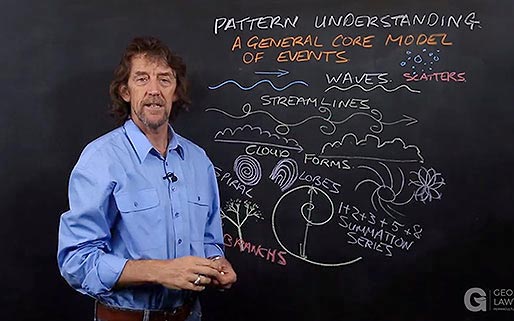
Pattern Understanding

Understanding Climate & Landscape

Designing for Different Climates

Windbreaks and Fire Control

SOIL & ECO-SYSTEMS

Soil & Health

Trees & Their Energy Transactions

Soil Rehabilitation & Erosion Control

Organic Food Production

Ecological Pest Control

Livestock

PRACTICAL APPLICATIONS

Strategies of an Alternative Nation

Permaculture Careers

Practical Design Exercise

Included in the course

Face to face

lectures &

demonstrations


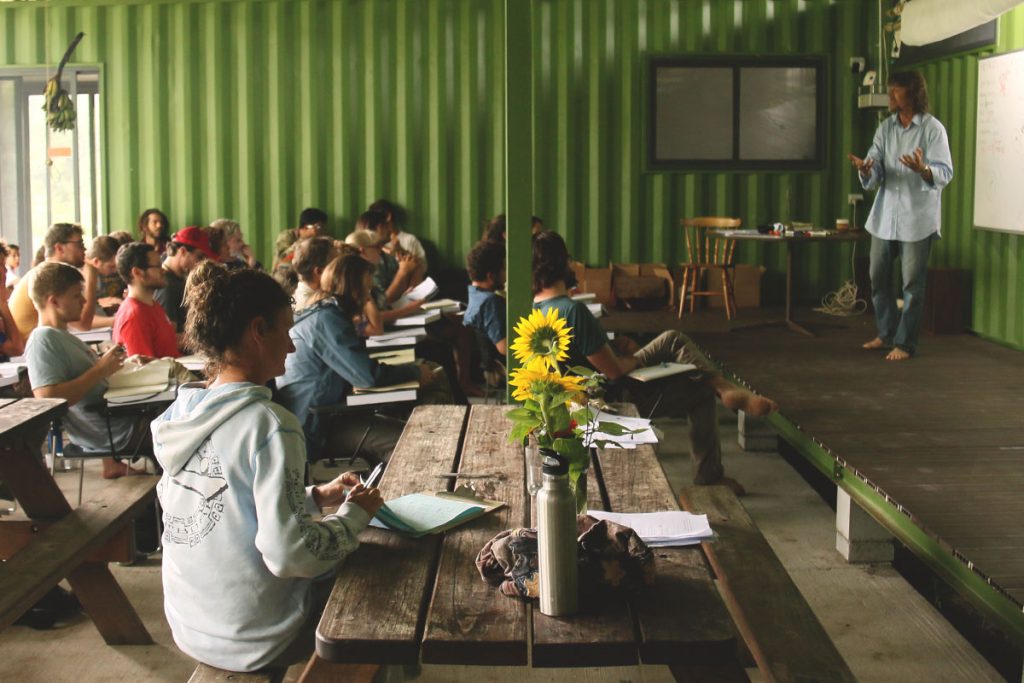
40 Hours of classroom lectures delivered by world renowned teachers


Special guest speakers


Extra-curricular activities


Farm Tour

A WEALTH
OF PERMACULTURE
KNOWLEDGE


On-going support through the Global Permaculture Network


Join Geoff Lawton’s Permaculture Circle with a 24/7 online community

Device Frame
Stay on site during your course

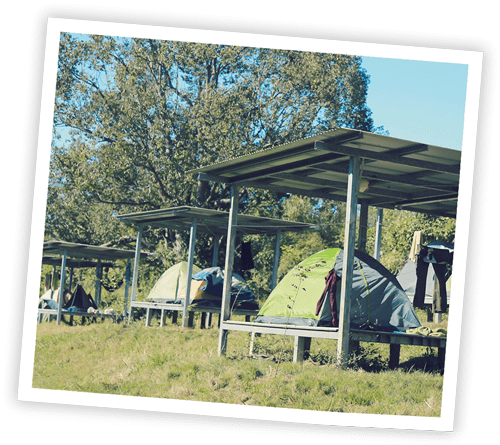
ONSITE CAMPING ACCOMMODATION
AVAILABLE TO BOOK SEPARATELY

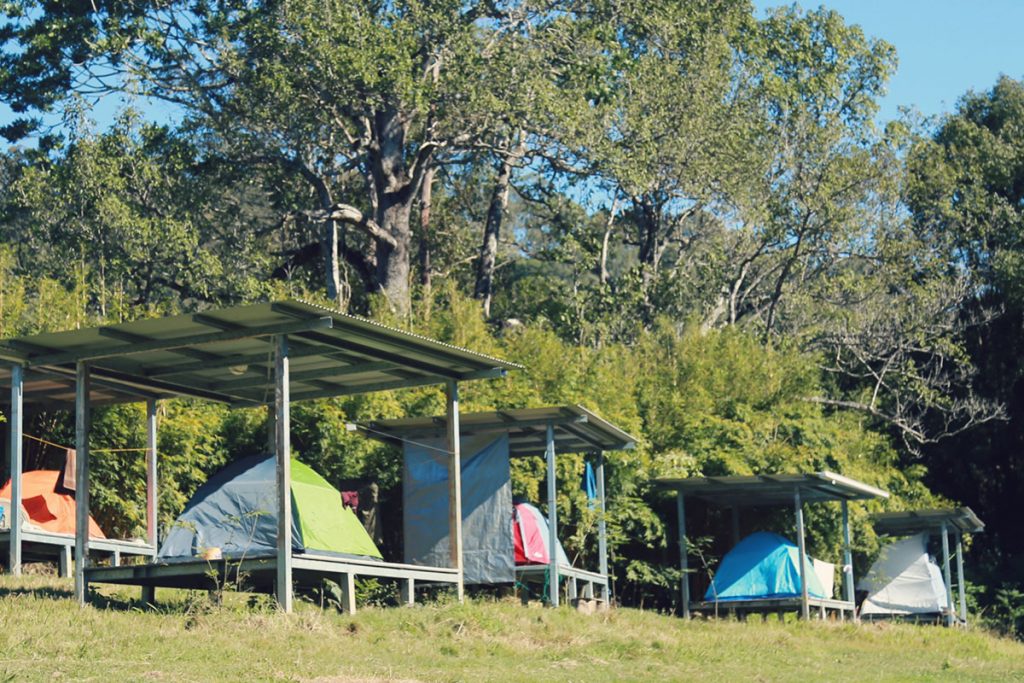
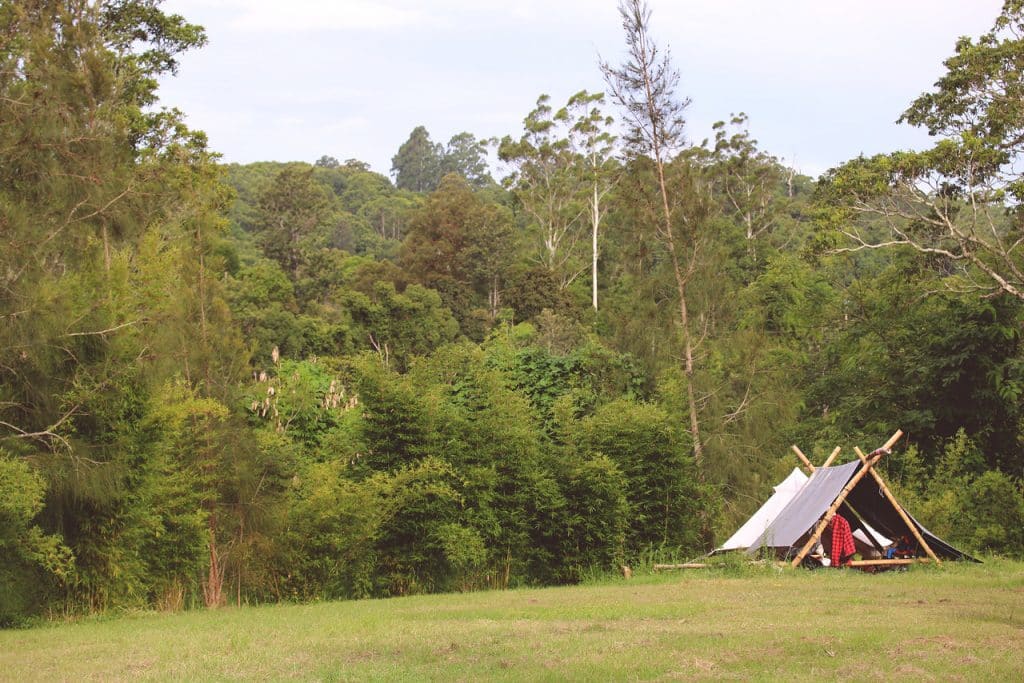
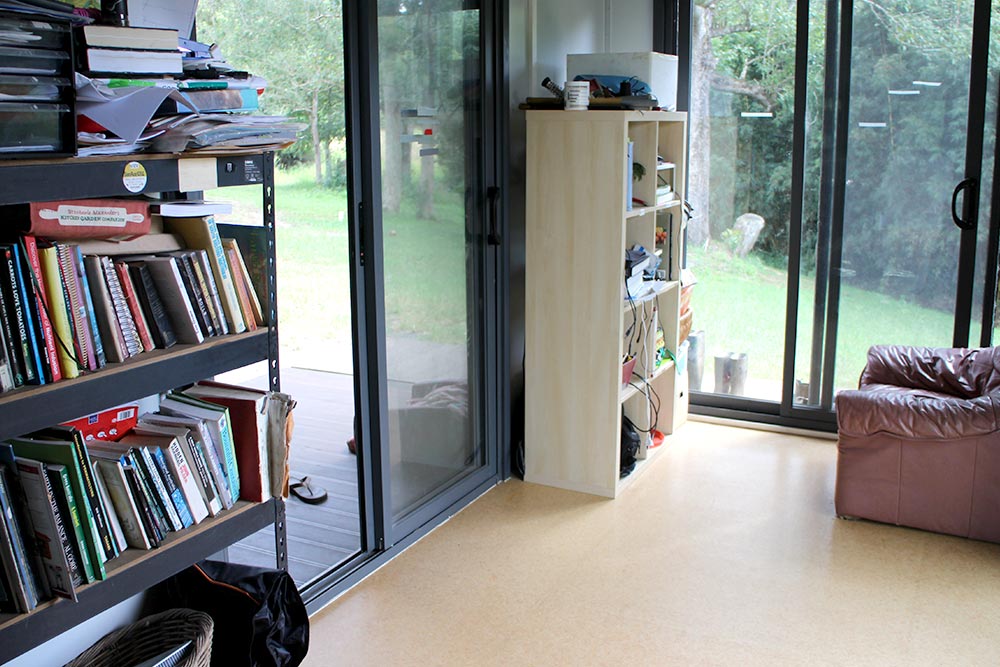
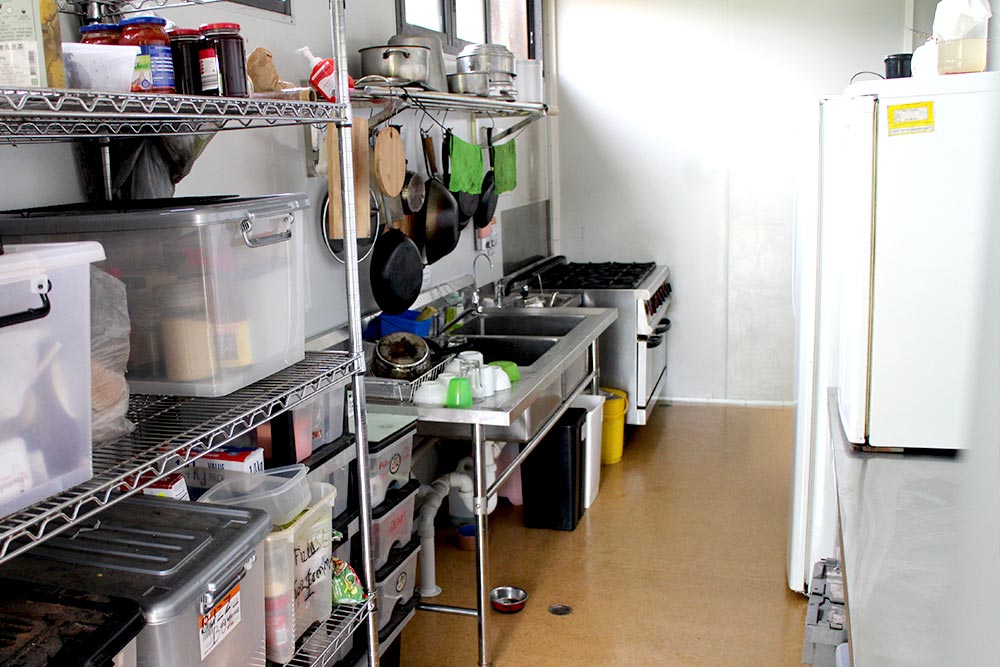
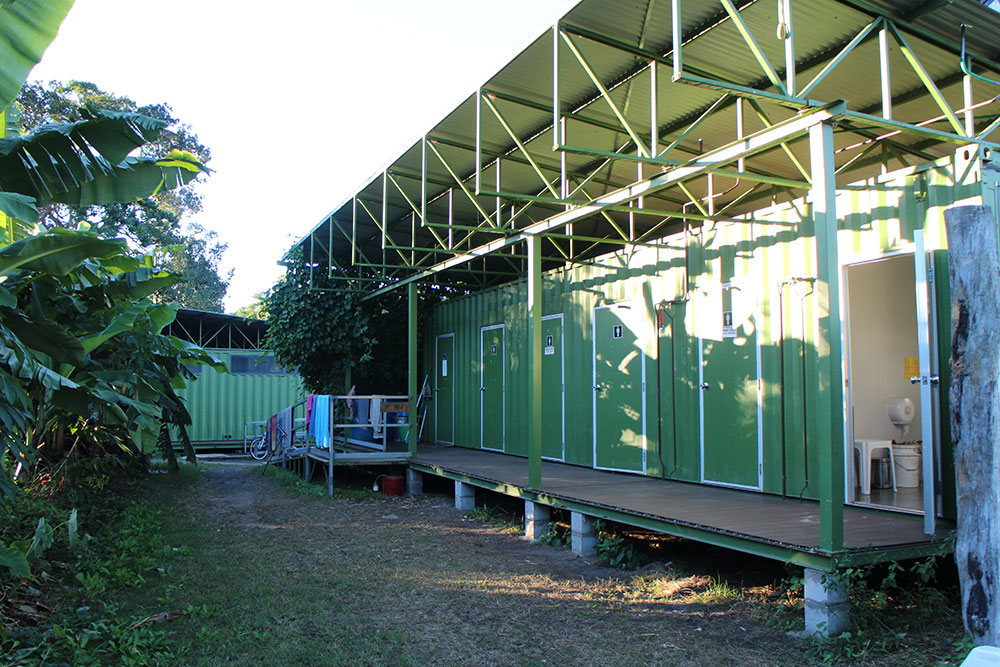
If you would like to stay at Zaytuna Farm during the course you can book your accommodation on hip camp. by booking accommodation you get access to:

Hot Showers

Camping Shelter/ or on-ground camping

Access to Wi-fi

Access to kitchen facilities

*Please note only 10 camping shelters are available.  Plenty of ground space is available.

 Book Accommodation 

ABOUT THE TEACHERS

The main facilitator for this PDC is Geoff Lawton.  Other teachers will also deliver various modules, these will be made up of guest speakers and the Zaytuna Farm Team.  Whilst we try to ensure that we advertise the correct teacher information on the site, due to unforeseen circumstances, the teachers may change at short notice.

Geoff And Team


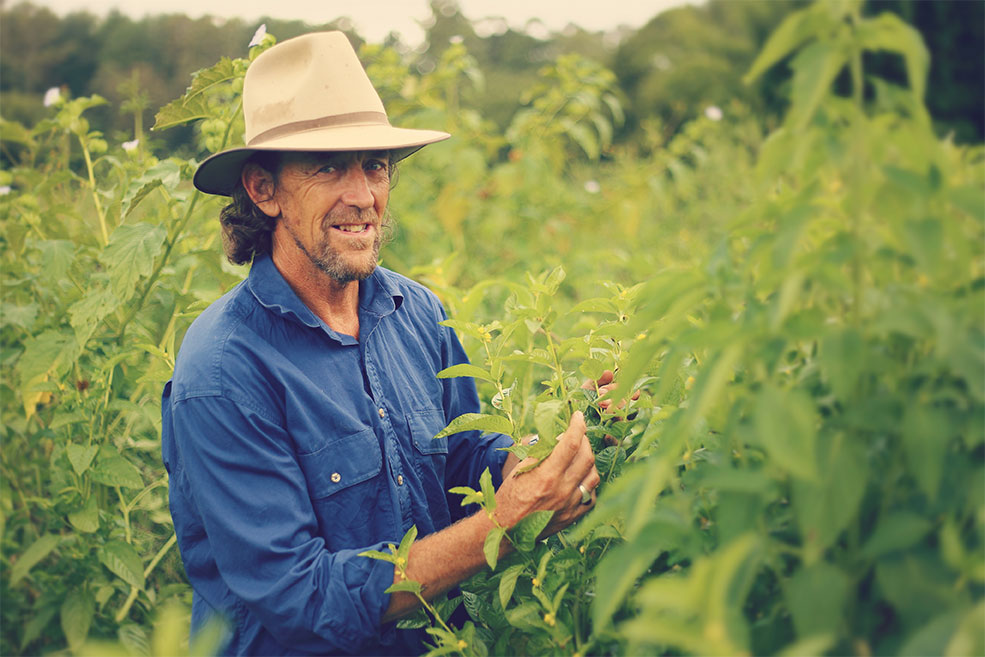
Geoff Lawton is the main facilitator for this PDC course. He is a Permaculture consultant, designer and teacher. He first took his Permaculture Design Certificate (PDC) Course with Bill Mollison in 1983. He holds a Diploma in Permaculture Education, Design, Implementation, System Establishment, Administration and Community Development given by the founder of Permaculture, Bill Mollison.


Geoff has undertaken thousands of jobs teaching, consulting, designing, administrating and implementing, in 6 continents and close to 50 countries around the world. Clients have included private individuals, groups, communities, governments, aid organizations, non-government organisations and multinational companies.


He has currently educated over 15,000 students in Permaculture worldwide. These include graduates of the Permaculture Design Certificate (PDC) Course and courses focused on the practical design of sustainable soil, water, plant, and legal and economic systems.

Sam Parker-Davies Permaculture design Course at Zaytuna Farm

Sam Parker Davies


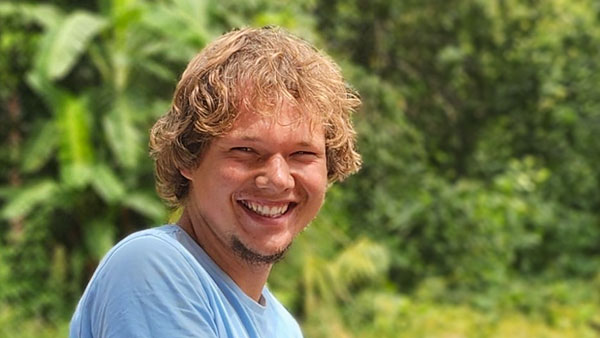
Sam Parker-Davies Is the main facilitator for this course. He has taught and practiced permaculture design in 3 continents, in 12 countries. He is a permaculture designer by trade, having done his internship with Geoff and Nadia Lawton at the Permaculture Research Institute, a one-year Soil Food Web course with Elaine Ingham, and Permaculture Design and Teaching courses with Rosemary Morrow and Lis Bastion.

Sam has also learned from and worked alongside prominent leaders in the industry such as Graham Bell, Bunya Halasz, Istvan Makuly, and Giuseppe Sanicandro. Sam has worked in a wide variety of climates and ecosystems – from desert to rainforest regeneration projects, hyper arid to wetland, temperate to subtropical. Sam has devoted his life to getting planet earth on a path of regeneration and is hopeful from what he sees and in experiences every day, that he may well see it in his lifetime. Sam is currently working as a designer for both Permaculture DesignTM and Permaculture Sustainable ConsultingTM.

Sam now lives here on Zaytuna farm as a shareholder, farmer, designer and project manager for numerous projects in the local region. From 2 million acre cattle stations, large organisations, property development, or balcony city gardens the students of these PDCs go on to do world changing things.

ZAYTUNA FARM

ABOUT THE LOCATION

This PDC will be taught at Zaytuna Farm, As one of the leading Permaculture demonstration sites in the world, Zaytuna Farm has a range of functioning systems including water harvesting, food production, and a very productive animal husbandry. All of which will add to the learning experience and make this course a very rich experience and one not to be missed.

What OUR STUDENTS SAY

I NOW HAVE A NEW PERCEPTION OF THE WORLD!


The PDC and PIA course at Zaytuna Farm have opened my mind for a new perception of the world around me, in particular, the connection with people, community, and Earth. These three weeks have cracked open my heart, it is almost like a spiritual journey. Because finally, I know there is a practical and realistic path everyone and I can walk on to make a positive impact on the world.

-YING GLORIA CHUNG

ZAYTUNA FARM IS A VERY UNIQUE PLACE


Geoff and his team have built Zaytuna Farm into a very unique place. One which turns nervousness into comfort, strangers into family, and teaching Permaculture into an amazing mix of art, science, and community. I simply cannot recommend the PDC at Zaytuna Farm enough – and would love to go back one day soon!

– SCOTT WILSON

Scott Wilson

YOU GET THE TOOLS TO BECOME PART OF THE SOLUTION


Doing my PDC at Zaytuna Farm was a dream come true. Being immersed in Permaculture — especially followed by Permaculture in Action — is a life-changing experience. Coming to understand Permaculture means you can never look at things the same way again and opens up the natural world to you. You have the tools to become part of the solution. In addition to the PDC curriculum, the chance to meet interesting, positive people from around the world was a huge plus!

-JEANMARIE TODD

WHAT NEXT ?

The Next Steps

1. Check our Courses & Events page and enrol in a follow up course, sometimes we run Permaculture In Action and Teacher Training courses.

3. Create a profile and join the Permaculture Network

Zaytuna Farm

LOCATION:

This PDC will be taught at Zaytuna Farm, which is located 1 kilometre from the village of the Channon, 20km outside of Lismore in New South Wales, Australia.

Nearest Airport

Regional: Lismore, Coolangatta, Ballina
International: Brisbane

Train Station

Casino (with bus service on to Lismore)

Bus Stop

The Channon

NB: A limited service that runs Mon-Fri

>